Innovating for the Future
Vest Aero Tech was founded in 2022 on innovation. Today, we are developing a new patented solution designed for wildfire suppression, with additional versatile applications. We are finally sharing our solution to the world.
The Mobile Fire Fighting Assembly
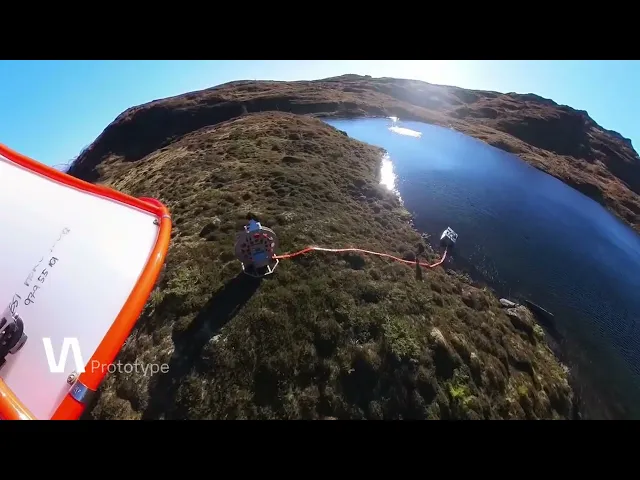
From an idea in 2022 to a working prototype — this is the first public glimpse of our groundbreaking firefighting system. Designed to change how wildfires are fought.
All in one
A complete, self-contained firefighting unit — designed as one integrated product for maximum efficiency and mobility.
5,000 L/min +
Our system performs today 5,000 L/min. But the opportunities are enormous when you have bigger helicopters.
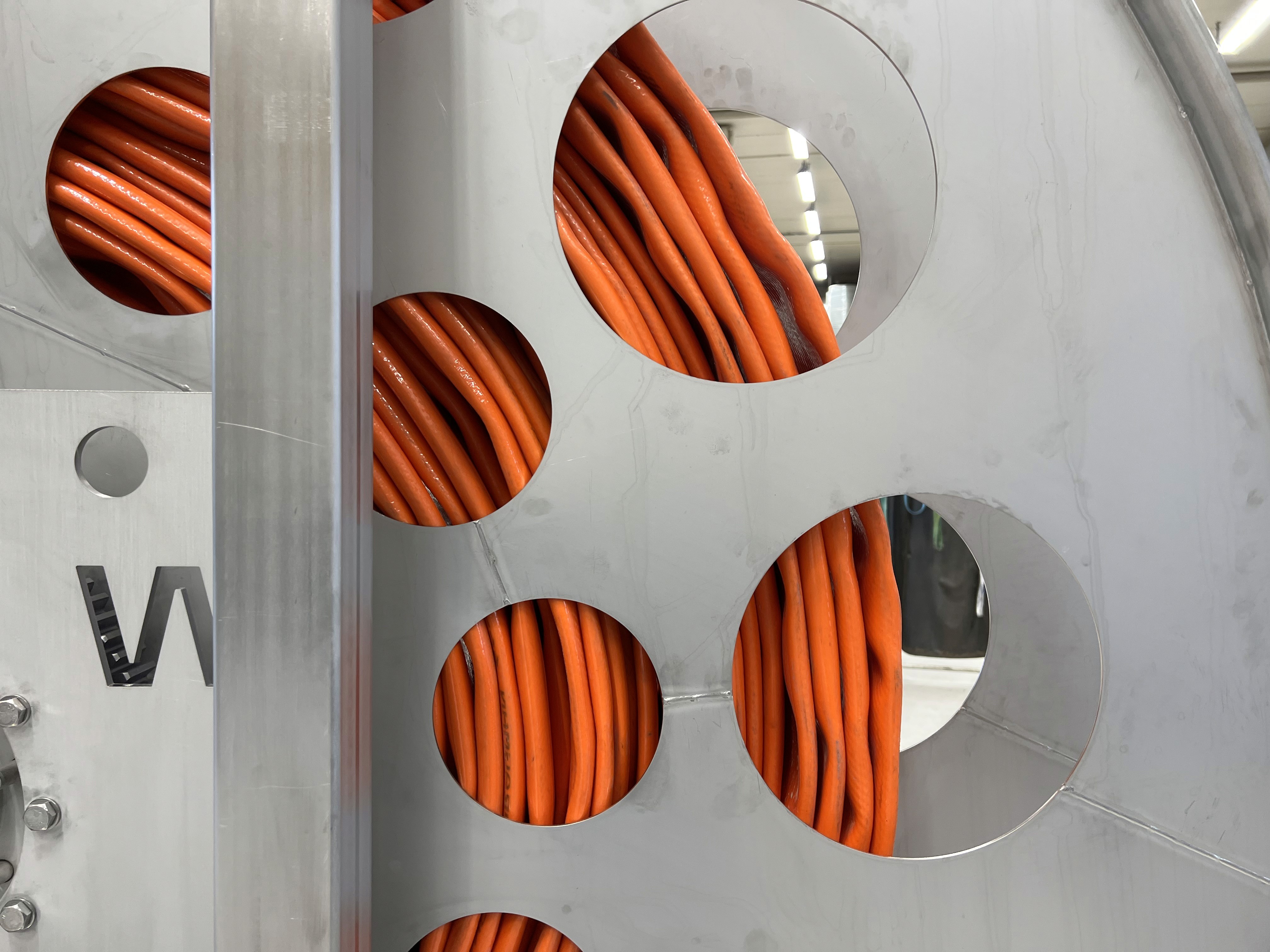
300+ meters of hose
Hose lengths from 300 meters and beyond — with the option to connect multiple units in series for greater reach. Designed for quick and easy hose replacement.
Control
Depending on customer requirements, the system can be controlled remotely — from a command center, by firefighters on the ground, or directly from the air.
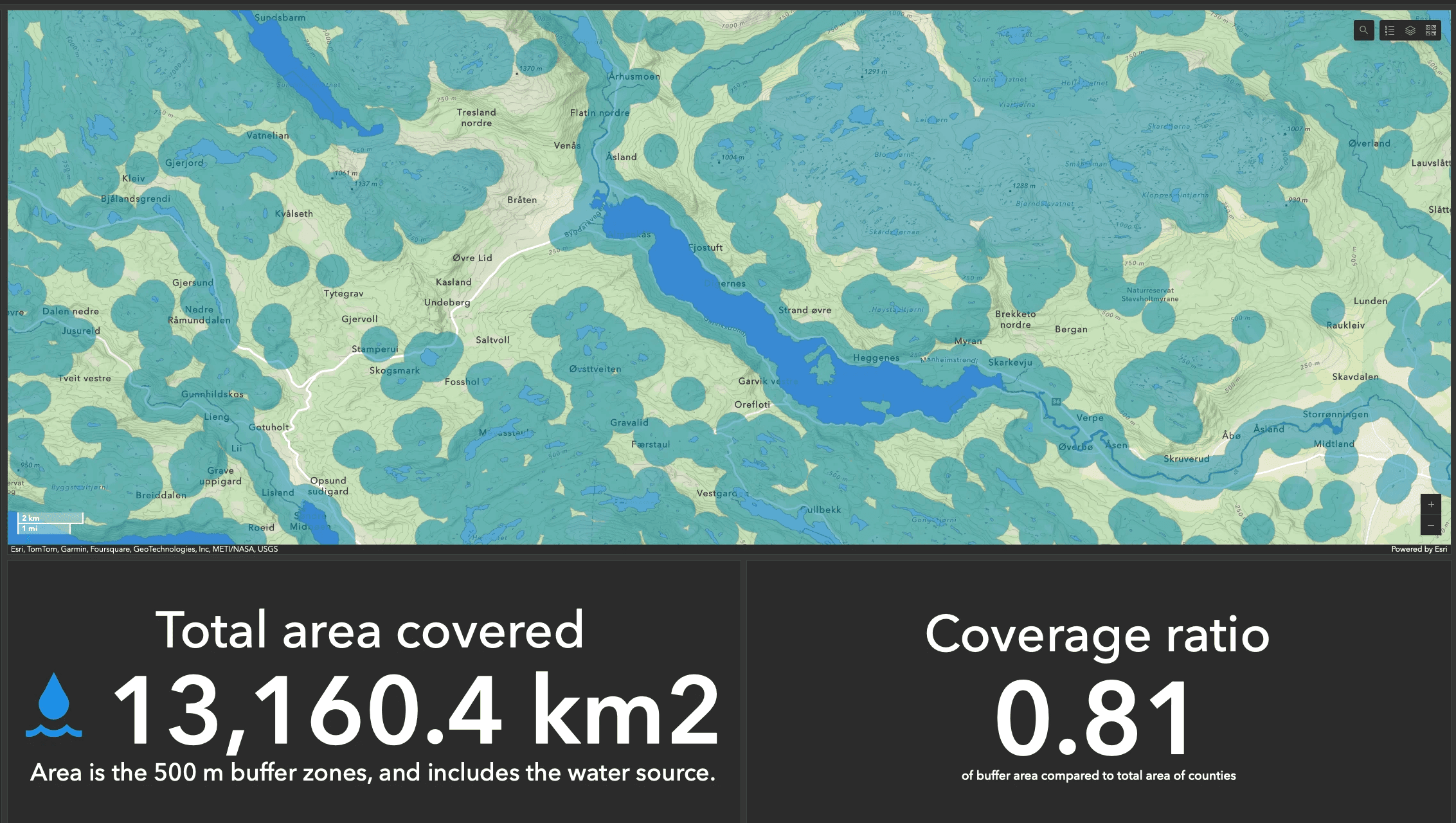
Water coverage
With a 500-meter hose, coverage reaches around 70% in southern Norway — and up to 81% in Telemark, the area most affected by wildfires.
Patents
We have received patent in Norway (NO347419B1) and USA (US12,594,444B2).
Patent pending in Canada, Australia and Europe.
For investors
Vest Aero Tech is currently seeking strategic investors to accelerate growth and bring our patented wildfire-response technology to the global market. If you’re interested in joining us on this mission, we’d love to hear from you.
Our partners
They have been key in our development







Wildfires are escalating in frequency and intensity!
Investing in innovative aerial firefighting technologies is essential to address the growing threat of wildfires and protect communities worldwide.
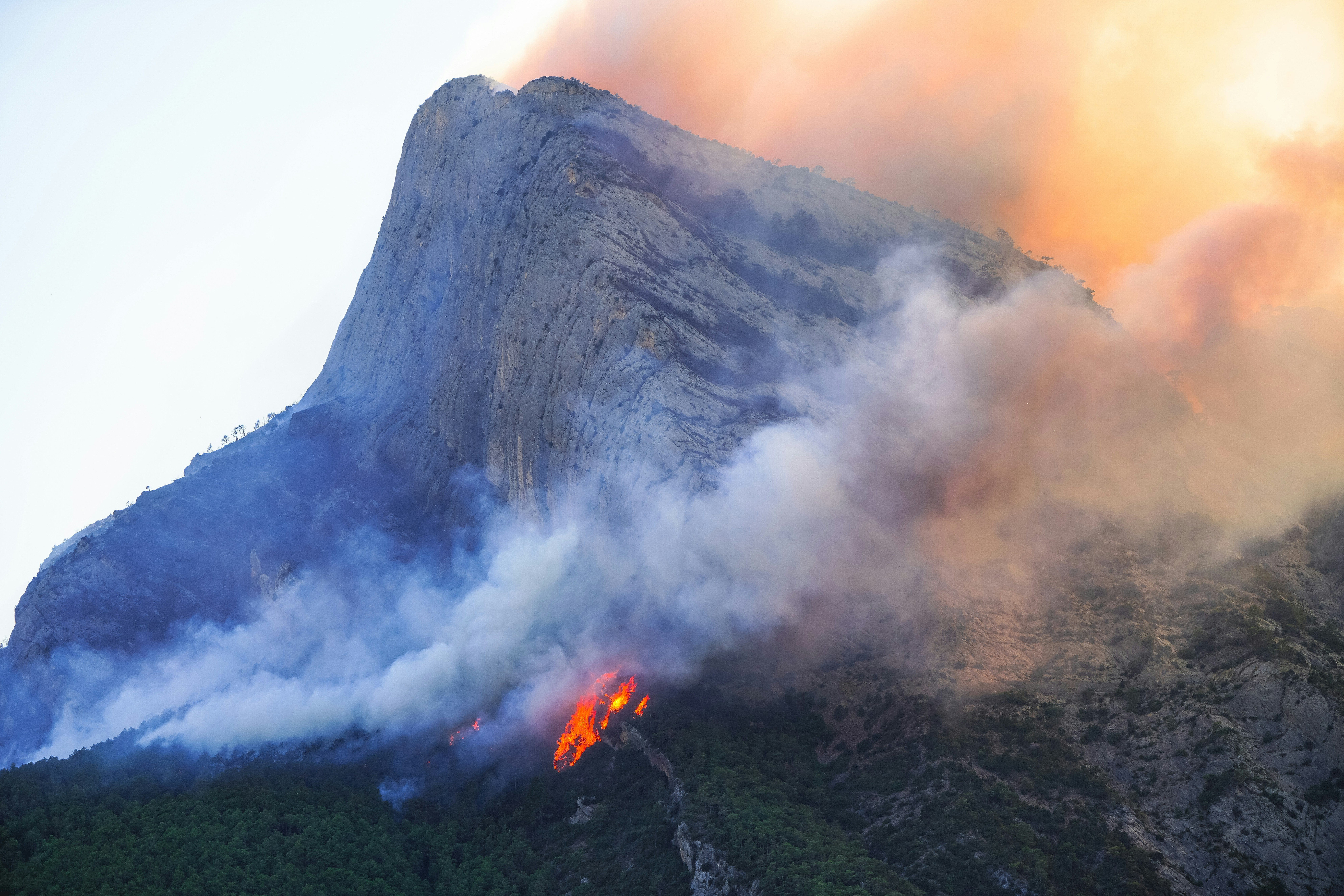
Wildfires are escalating in frequency and intensity, leading to substantial economic and environmental consequences. In California, recent wildfires have destroyed over 12,000 structures, with projected financial losses between $135 billion and $150 billion.
Globally, extreme fire incidents are expected to rise by up to 14% by 2030, 30% by 2050, and 50% by the end of the century.
These fires also contribute significantly to carbon emissions, with estimates suggesting that wildfires have emitted around 8 billion tons of CO₂ annually over the past two decades.
In the United States, wildfires are costing the economy between $394 billion and $893 billion annually, impacting real estate values and increasing water infrastructure costs.
Aerial firefighting has proven to be an effective strategy in combating these disasters. For instance, the U.S. Forest Service spent over $500 million on aerial resources in fiscal year 2018, underscoring their critical role in wildfire suppression efforts.
Investing in innovative aerial firefighting technologies is essential to address the growing threat of wildfires and protect communities worldwide.