Single drop vs multi drop firefighting buckets
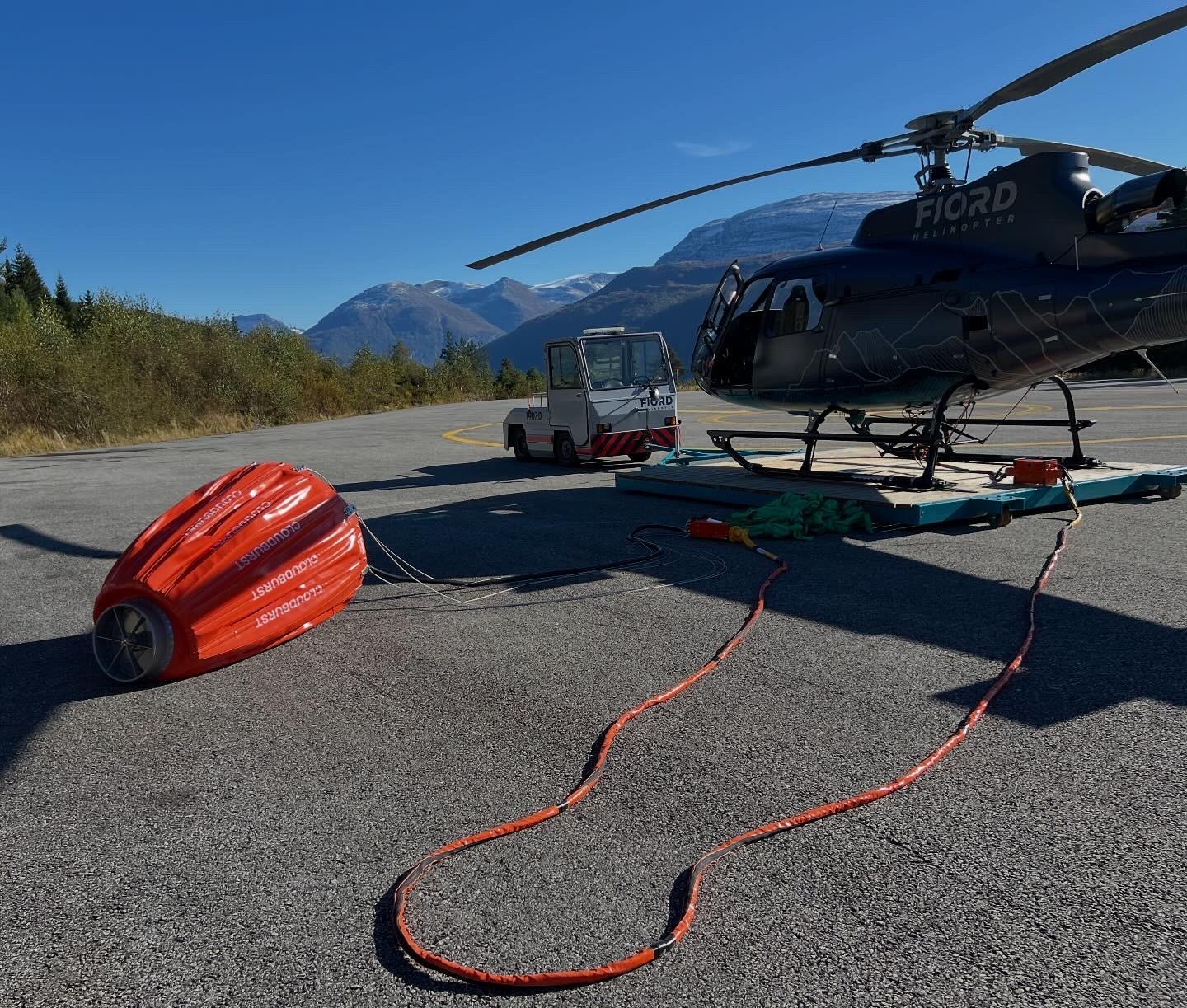
In aerial firefighting, every drop counts — but how you deliver it matters just as much. Traditional bucket operations are simple: fill, fly, drop, repeat. But real-world missions are rarely that straightforward. Changing fuel loads, shifting fire behavior, and challenging terrain demand more flexible tools. Understanding the difference between single-drop and multi-drop systems is key to operating more efficiently.
Choosing the right tool for modern aerial operations
When it comes to aerial firefighting, not all buckets are created equal.
For decades, the industry has relied on simple, single-release systems. They work — but modern operations demand more than just capacity.
Today, efficiency, flexibility, and control are just as important as how much water you carry.
This is where the difference between traditional single-drop and modern multi-drop systems becomes critical.
What is a Traditional Single Drop Bucket?
A traditional firefighting bucket releases its entire water load in one single drop.
The operation is straightforward:
Fill the bucket
Fly to the target
Release the full load
Return to refill
This method has been effective for many years and remains widely used.
However, it offers limited flexibility. Once airborne, the pilot has little ability to adjust how the water is delivered.
What is a multi drop bucket?
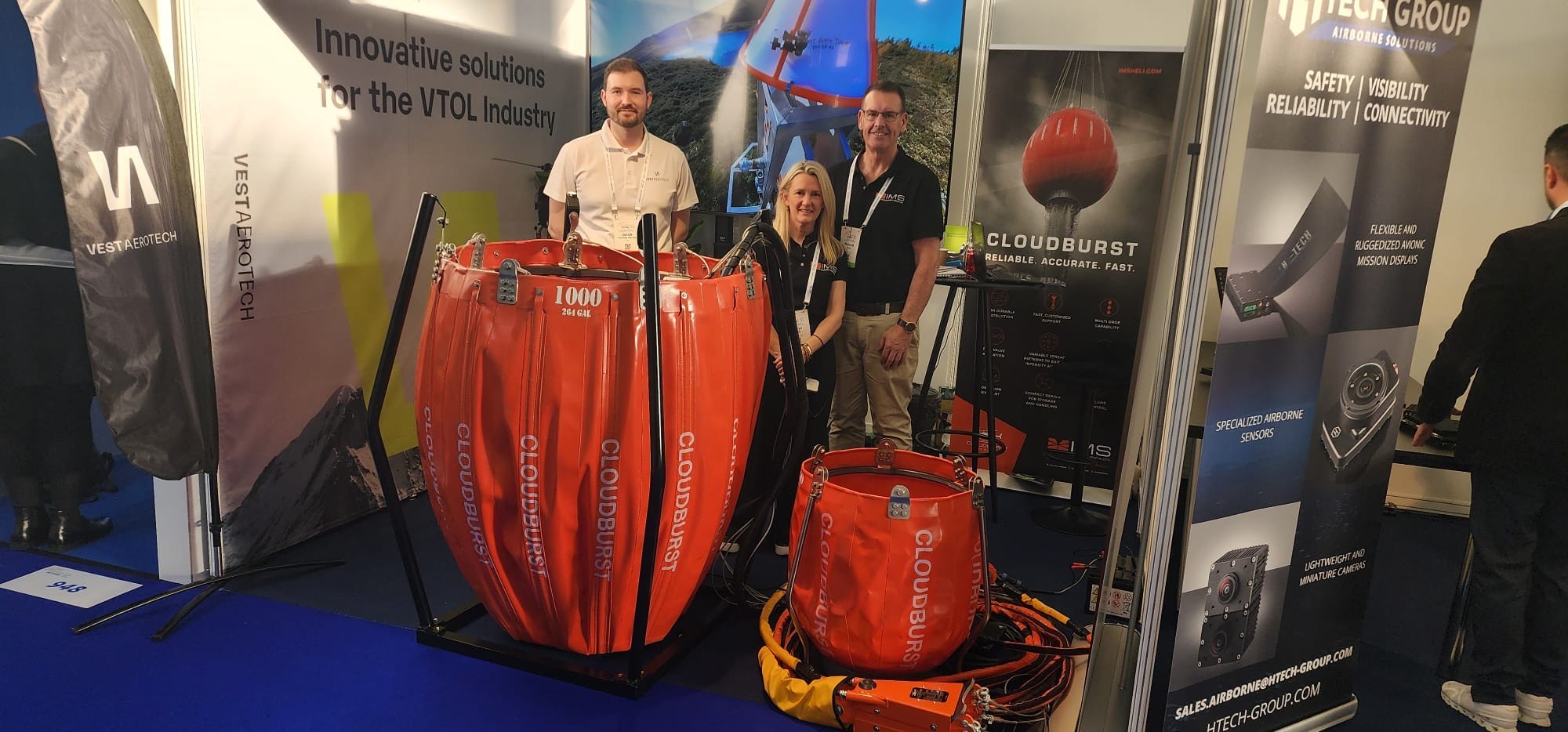
A multi-drop bucket as the Cloudburst with the Monsoon valve allows the pilot to release water in controlled portions during a single flight.
Instead of one full drop, the pilot can:
Perform multiple targeted drops
Adjust release size depending on the situation
Adapt to terrain, fire behavior, and mission needs
Or, release the full load
This transforms the helicopter from a single-action tool into a more precise and adaptable firefighting asset.
Key Operational Differences
Feature | Traditional bucket | Multi drop bucket |
|---|---|---|
Drop type | Single release | Multiple controlled drops |
In-flight adjustment | No | Yes |
Efficiency per sortie | Limited | High |
Precision | Moderate | High |
Operational flexibility | Low | High |
Why multi drop matters in real operations
In real-world firefighting, conditions are constantly changing.
A helicopter often takes off with a full fuel load, which limits how much water it can carry.
With a traditional bucket, that limitation remains fixed throughout the flight.
With a multi-drop system, the pilot can:
Start with a lighter water load
Adjust refill with some presses on the cyclic while the fuel burns off
Maximize efficiency throughout the mission
This results in:
Better use of aircraft capacity
Fewer return trips to refill
Increased effectiveness per sortie
Beyond firefighting: Flushing and terrain operations
Firefighting buckets are not only used for active fire suppression.
They are also essential tools for:
Water terrain post fire
Cleaning and securing mountainsides
In these operations, precision and control are critical.
A multi-drop system allows operators to:
Apply water gradually across a slope
Work methodically over difficult terrain
Built for harsh environments
Modern bucket design is not only about functionality — it’s also about durability and reliability.
The Cloudburst have a robust construction, including a reinforced bottom, which allows the bucket to:
Handle contact with rough terrain
Operate repeatedly in demanding conditions
Maintain performance over time
This is especially important in low flying operations where impact to terrain is possible.
Clean design – Less risk, more reliability
Simplicity is a major advantage in aerial operations.
A clean, open bucket design as the Cloudburst— without unnecessary internal components — provides several benefits:
Fewer cables and internal systems
Reduced risk of snagging or entanglement
Easier inspection and maintenance
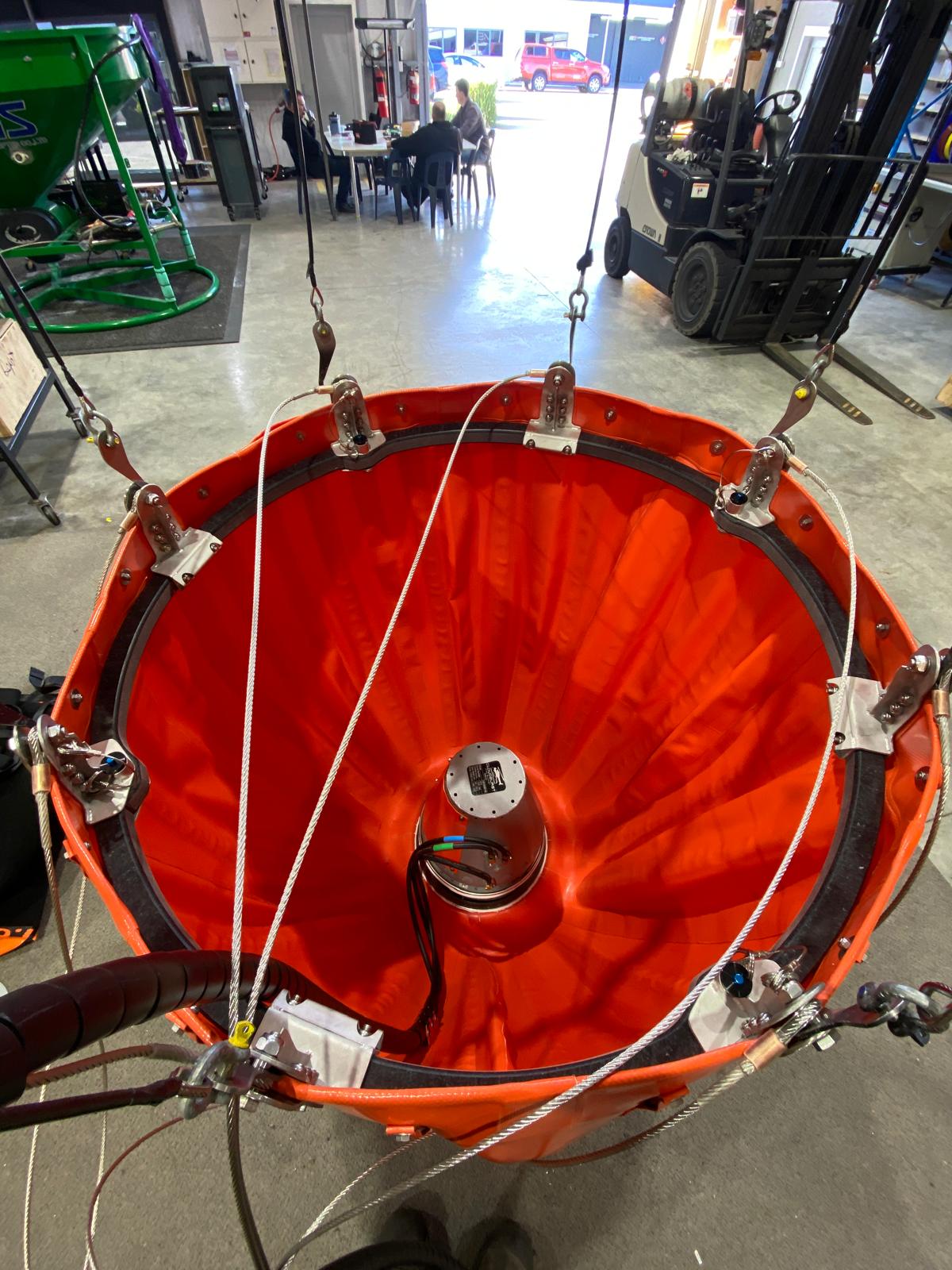
An open internal structure means there is nothing inside the bucket that can get caught or interfere with operations, which is a key advantage when working close to terrain, vegetation, or obstacles. And makes the refill easier with a clean and rugged opening on the bucket.
The shift in aerial firefighting
The direction of the industry is clear:
From fixed systems
→ to adaptive systems
From single-action drops
→ to controlled, repeatable operations
As wildfire challenges grow, operators need tools that provide more control, not just more volume. And if choosing the Cloudburst, you will get all that without any increases in costs.
Final thoughts
Traditional buckets have served the industry well.
But modern aerial firefighting demands:
Greater flexibility
Higher efficiency
Better precision
Multi-drop capability that you will get with a Cloudburst represents a natural evolution — enabling operators to get more out of every flight.
Because in aerial firefighting, success is not just about how much water you carry.
It’s about how effectively you use it.
Interested in improving your aerial firefighting operations?
Whether you're exploring new solutions or looking to optimize your current setup, we’re here to help.
We offer:
Demonstrations and testing opportunities
Guidance on selecting the right configuration for your operation
Tailored offers based on your aircraft and mission profile
Interested in testing a modern multi-drop solution or receiving a quote?
👉 Get in touch with us today to learn more.
Contact us:
jacob.haram@vestaerotech.no
+47 97955101